all the glow-up, none of the glow
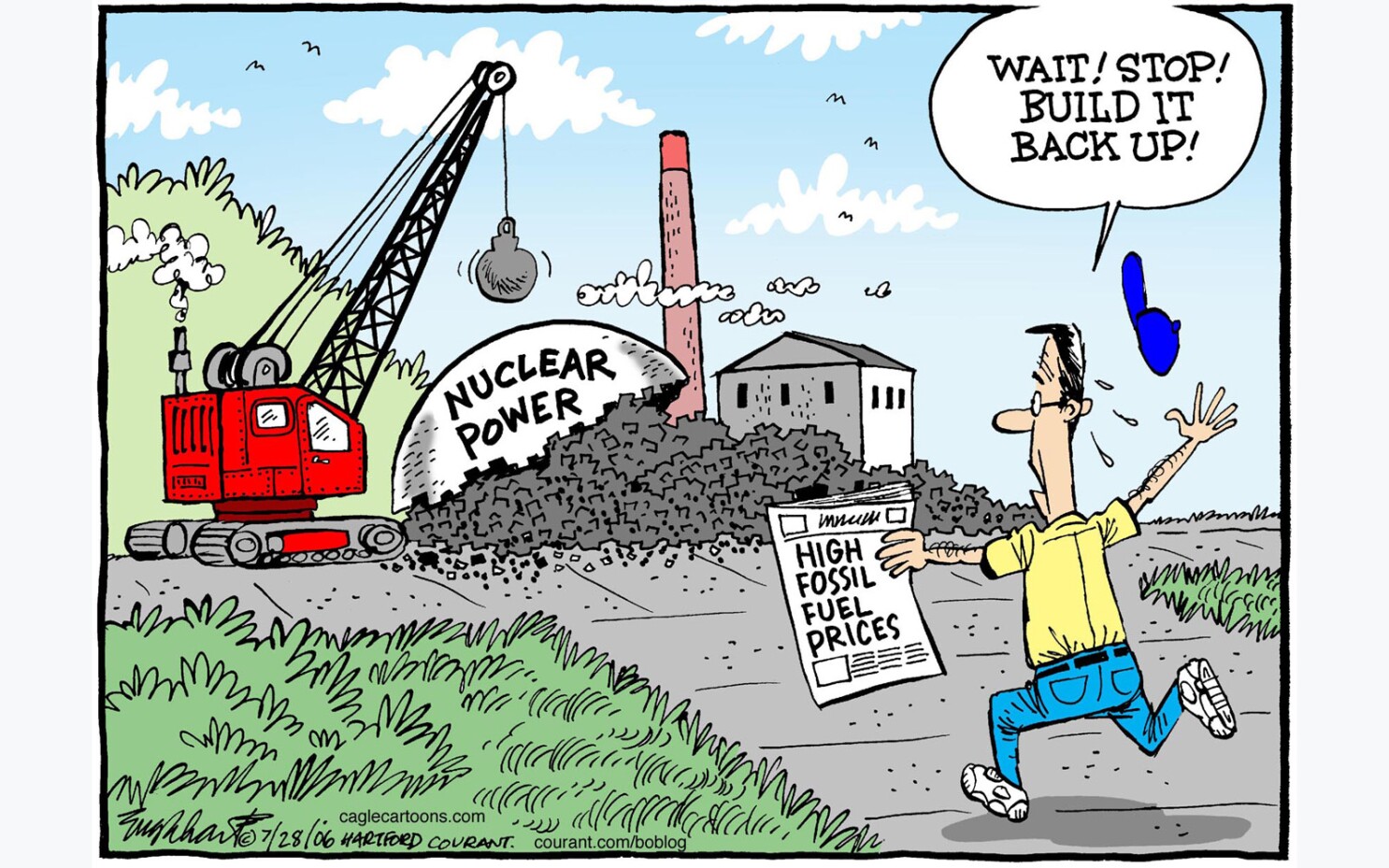
Google just committed to 500MW of nuclear power by 2035. Amazon dropped $700M on X-Energy. Microsoft is literally restarting Three Mile Island. IO Fund. $900M Series A rounds are a thing. Big Tech Energy, if I ever saw it.
And yet...it feels like everyone's betting on the goldmine, nobody's selling the shovels.
There is no shortage of speculative, high-priced investments being made in hopes of finding the next TerraPower or Commonwealth Fusion. My perspective is that the risk/reward tradeoff associated with investing in many of these reactor companies does not compute. I'd much rather invest in the companies that are arming all of the competitors in the nuclear market than bet on identifying which specific reactor design is going to power our AI overlords.
As we learned in the first dot-com boom, chasing the single winner rarely works. But as with any gold rush, the bigger opportunities lie in creating the ecosystem. Nuclear is experiencing its iPhone moment – an antiquated industry receiving substantial capital infusions, with leading research and key technological advancements undergoing a long-overdue makeover. Because AI, that's why.
the numbers.
The nuclear energy market is exploding from $34.43 billion in 2023 to a projected $45.31 billion by 2032. But that's just the tip of the uranium rod. The industry needs to triple global nuclear capacity by 2050 to meet climate goals, ANS requiring an estimated $900 billion to $1.8 trillion in capital expenditure. That's not a typo – we're talking about rebuilding entire industries from scratch.
Meanwhile, the workforce needs to grow from 68,000 to 200,000+ workers in the US alone. Manufacturing capacity is constrained by Nuclear Quality Assurance certification bottlenecks. National Academies Press And the average nuclear engineer is closer to retirement than to graduation. ANS This isn't just growth – it's industrial transformation at warp speed. And we all know the guy in the big chair loves a good warp speed program.
According to recent market analysis, capital is flooding into next-generation reactors – microreactors, SMRs, fusion – while minimal capital has been flowing towards the front-end of the nuclear fuel cycle, and the back-end is still largely ignored. Everyone wants to build the reactor. Nobody wants to handle the uranium or deal with the waste. This is the classic "picks and shovels" setup that made Levi Strauss rich while miners went broke.
this isn't your grandfather's nuclear industry.
Three seismic shifts are creating unprecedented startup opportunities:
Data centers are eating the grid. AI workloads are driving 30% annual growth in server electricity consumption. Goldman Sachs estimates we need 85-90 GW of new nuclear capacity just to meet data center demand by 2030. When Google needs always-on power for ChatGPT's smarter cousin, nuclear suddenly becomes the only game in town. TechCrunch. At the US sucks at doing it efficiently. The cost per kilowatt in the US is around $6,000 vs. $2,200 in South Korea, the gold standard of build and scaling a repeatable playbook.
Government money is flowing like water. The Inflation Reduction Act alone provides $6 billion in nuclear support, plus $15/MWh production credits and 30% investment tax credits. The CHIPS Act adds another $900 million for advanced nuclear R&D. Even the EU finally admitted nuclear is "environmentally sustainable." Policy tailwinds this strong don't come around often.
Small modular reactors are real. The SMR market is projected to hit $10.9 billion by 2034, with first commercial deployments happening now. These aren't sci-fi concepts – they're factory-built, standardized products that could transform nuclear from bespoke megaprojects to mass-produced infrastructure. But even those are facing their own delays, as we saw with Nuscale.
opportunities hiding in plain sight.
As with any gold rush, the real money came from supporting the rush towards Eureka, not in finding it. Meanwhile, the nuclear ecosystem is starving for basic infrastructure:
- HALEU fuel supply: Only Russia and China produce it commercially
- Waste management: 86,000 tons sitting around with nowhere to go
- Supply chain logistics: Moving 800-ton steam generators requires specialized everything
- Workforce development: 90% of nuclear employers can't find qualified workers
- Nuclear cybersecurity: Legacy systems in critical infrastructure with evolving threats
the workforce crisis goldmine.
90% of nuclear employers can't find qualified workers. The industry needs to 3x its workforce, while 17% of current workers are over 55. Another reason why technology-oriented solutions are poised for takeover: new hires of a different generation. This isn't a problem – it's a $500M+ annual market opportunity.
- VR/AR training platforms could revolutionize nuclear education. Traditional reactor simulators cost millions and require physical presence. VR systems could deliver the same training for 30-50% less cost while reaching global audiences. Companies like Immersive VR Education have proven the model in other technical fields. And it may be the only way Edtech companies will actually generate returns.
- Nuclear workforce management software addresses unique compliance challenges. The industry needs specialized tools for fatigue management, radiation exposure tracking, and certification maintenance. Generic HR software doesn't cut it when someone's NRC license expires. MAYBE, a verticle specific solution could make sense
- Veterans transition programs represent untapped potential. The nuclear Navy has trained thousands of reactor operators who could transfer to civilian nuclear careers. A platform connecting military nuclear talent with civilian opportunities could be an interesting wedge into the market.
supply chain bottlenecks worth billions.
Nuclear construction faces jaw-dropping logistics challenges. Steam generators weigh 800 tons and stand 70 feet tall. Reactor pressure vessels require specialized transportation that can cost millions per move. Let alone the fact that in the US, most facilities are bespoke. So no one benefits from the economies of scale when constructing and running. The industry desperately needs digital solutions for these physical challenges.
- AI-powered transport planning software can optimize routing for oversized nuclear components, taking into account infrastructure limitations and regulatory requirements. Especially given the need for stronger US suppliers when contracting with the DoD (who, let's be real, is the primary customer we're talking about.)
- Nuclear materials tracking platforms using blockchain could solve traceability nightmares. Every bolt and washer requires a documented chain of custody. A platform ensuring compliance while streamlining documentation could become essential infrastructure.
- Predictive maintenance for nuclear equipment presents massive opportunities. The Vogtle project showed 30% efficiency improvement from Unit 3 to Unit 4, indicating huge room for optimization. AI-driven systems predicting equipment failures could save billions in project delays.
technology gaps bigger than reactor cores
The nuclear industry is finally getting the picture on embracing digital transformation, creating opportunities across the technology stack:
- Nuclear-specific cybersecurity is a greenfield market. Legacy systems, critical infrastructure requirements, and evolving threats create unique challenges. Generic cybersecurity doesn't address industrial control systems in high-radiation environments.
- Digital twin platforms for nuclear facilities could revolutionize maintenance and training. Imagine Netflix, but for reactor operations – comprehensive virtual environments for testing procedures and optimizing performance.
- Radiation-hardened IoT sensors enable next-generation monitoring. The industry needs wireless sensor networks that can operate reliably in nuclear environments while maintaining security. Torus Current solutions are expensive and limited.
- Chemistry. Why is it that chemistry seems to be missing from so many of these large companies? Too many physicists and not enough chemists.
waste management opportunity (without the regulatory nightmare)
📢
Shout out to Angèle Sahraoui @ Slow Ventures for a great report on this and for giving me the PDF to support my project with Claude on this thesis. https://docsend.com/view/4k3uepjj6btw3rad
Nuclear waste management creates substantial opportunities outside the heavily regulated disposal aspects:
- Waste logistics and tracking platforms manage over 15 million radioactive material shipments annually worldwide. Digital solutions for route optimization, real-time tracking, and automated compliance documentation could capture transaction fees across massive volumes. I'm not convinced this needs to be a vertical-specific solution; a generalized waste management tool could likely work.
- Advanced materials for waste handling focus on containers, shielding, and transport equipment rather than disposal itself. The industry needs innovative solutions for moving, storing, and processing waste safely and efficiently. However, I'm not bullish on materials companies being VC-backed. Platform functionality is ok, but single-ingredient companies aren't for me.
picks and shovels in a hot market.
Nuclear energy is experiencing a once-in-a-generation transformation driven by AI demand, climate imperatives, and unprecedented policy support. The industry needs to completely rebuild its supply chains, retrain its workforce, and modernize its operations – all while scaling 3x in 25 years.
Everyone else is chasing the reactor dream. You should be building the infrastructure that makes their dreams possible.
Current nuclear investing puts VCs at odds with reality. Searching for the single big reactor win forces investors to take aggressive approaches to portfolio management. Valuations become disconnected from fundamentals when everyone's swinging for fusion-powered fences.
This isn't about being contrarian for its own sake. It's about recognizing that in every gold rush, the sustainable wealth gets created by those who sell to the miners, not by the miners themselves. Nuclear's gold rush is here.
The gold rush is here. Time to start swinging your pickaxe. If you're building in the space and any of the above resonates, book time with me here:
[
Dial & Disrupt - Abbie Strabala
Open time to meet with start-up founders.Outlander is a generalist pre-seed fund leading or co-leading your first round of capital. Avg check $1.5M targetting 15% ownership.
](https://calendly.com/abbie-outlander/dial-disrupt?ref=abbiestrabala.com)
nuclear startup playbook:
Focus on universal needs. Every nuclear project requires workforce, logistics, cybersecurity, and waste management. Build solutions that work regardless of which reactor design wins.
Leverage government funding early. DOE grants and SBIR programs can fund initial development while validating market need. Government customers provide credibility for private sector sales.
Target the gaps in capital flows. The market is telling you exactly where opportunities exist – front-end fuel cycle, back-end waste management, and everything that supports reactor operations.
Build regulatory expertise as a moat. Nuclear industry relationships and compliance knowledge create competitive advantages that pure tech companies can't replicate.
Scale through ecosystem effects. As nuclear capacity grows 3x by 2050, your platform revenue grows proportionally without linear cost increases.